Sinclair Method Studies
This article examines the scientific foundation behind TSM, drawing on nearly three decades of peer‑reviewed trials, neuroimaging research, and systematic reviews.


This article examines the scientific foundation behind TSM, drawing on nearly three decades of peer‑reviewed trials, neuroimaging research, and systematic reviews.
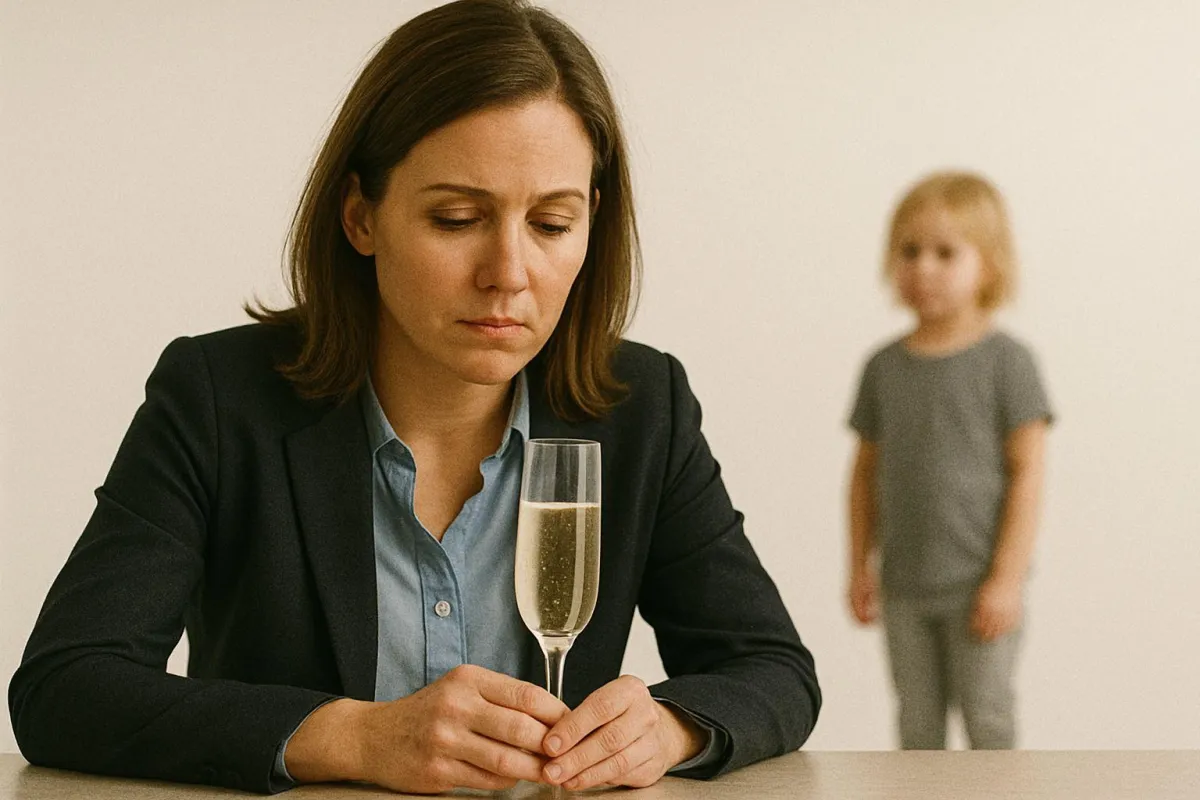
Endorphins are naturally occurring chemicals in the brain that help us manage pain and boost pleasure. Often called the body’s “natural opioids”, they are released during activities like exercise, laughing, eating, and social bonding. When endorphins flood the brain, we feel good — relaxed, happy, or even euphoric.
The landscape of alcohol recovery is undergoing a major transformation. For decades, abstinence was seen as the only viable path to recovery—often rigid, binary, and stigmatised. But science and innovation are rewriting that narrative. Today, we stand at the threshold of a new paradigm—one rooted in neuroscience, evidence, and personal empowerment.
Many of us assume that stopping drinking is simply about self-control. But if you've ever tried to cut down—or stop entirely—you'll know it's not that simple. It often feels like you're fighting your own brain. And in many ways, that’s exactly what’s happening.
Alcohol can start off as a way to relax, celebrate, or socialise. But over time, that relationship can shift—sometimes subtly, sometimes dramatically. Out of control drinking isn’t always obvious. It can creep into your routines, habits, and mental health without you noticing until real damage has been done.
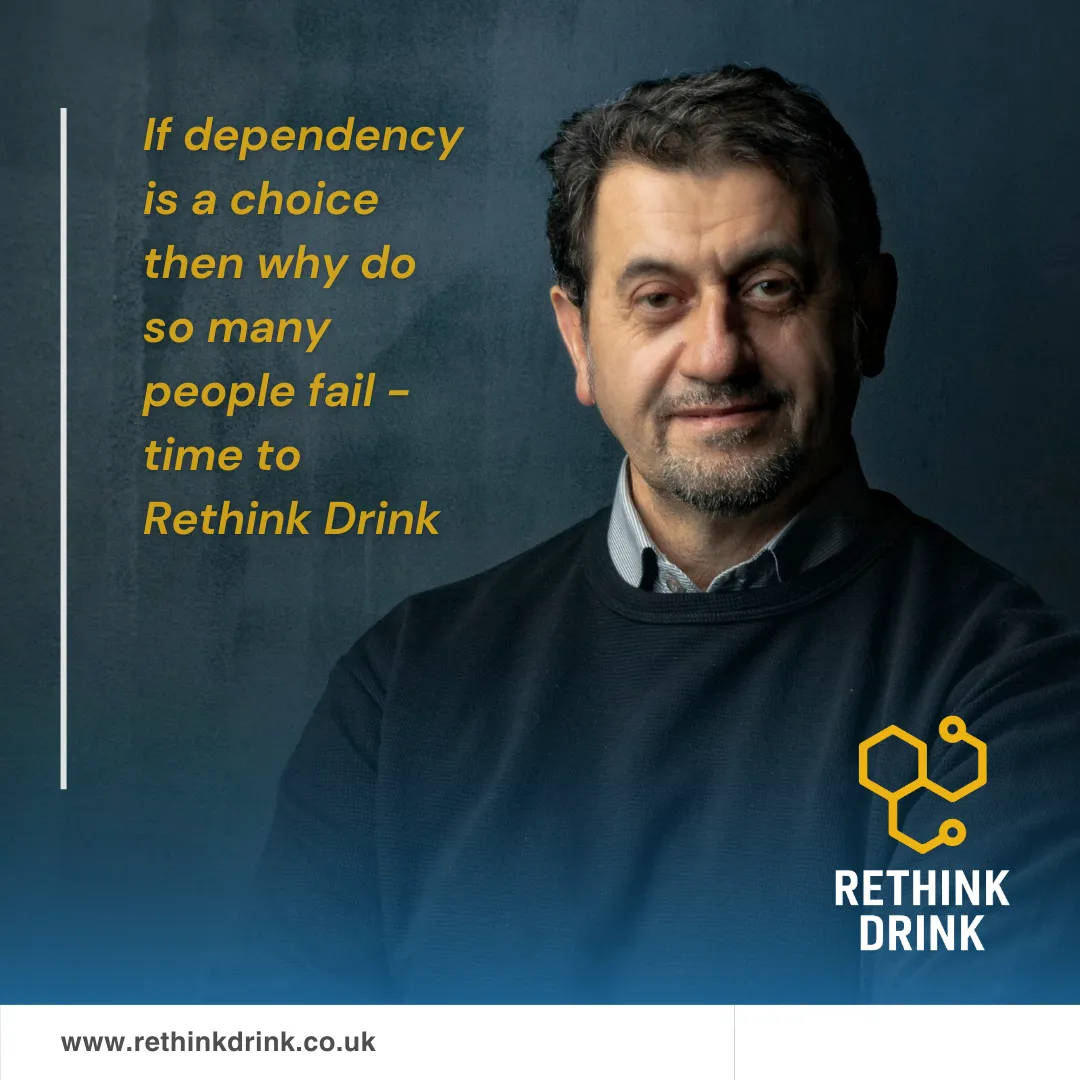
"Why don’t they just stop?" It’s a familiar question — one that often leads to frustration, judgement, and misunderstanding. For years, alcohol dependency has been viewed through the lens of morality or self-control. But science paints a different picture: alcohol use disorder (AUD) is not a lifestyle choice, but a chronic condition shaped by changes in brain function.

Alcohol dependency isn’t about weakness or moral failure. It’s a complex condition involving the brain’s natural reward mechanisms. When we drink alcohol, our brains release endorphins—feel-good chemicals that act on the same receptors as opioids. This creates a pleasurable feedback loop, making it more likely that we’ll continue drinking to chase that feeling.
The Sunday Reset
Every Sunday, we share a 2-minute insight into the logic of the Sinclair Method.
Join thousands of others for our weekly newsletter and change how you see the problem,
because when you change the way you look at things, the things you look at change.
… There’s a reason we’re called Rethink Drink!
